Composition in Cinematography: Essential Techniques for Every Filmmaker
Master composition in cinematography with key techniques that elevate visual storytelling. Learn pro tips every filmmaker must know to frame shots with impact.

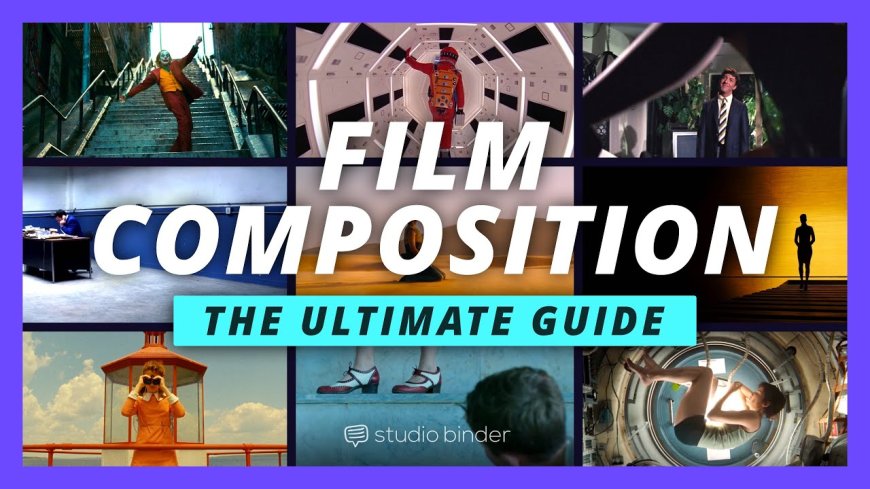
Cinematography is more than just capturing moving imagesit's an art of visual storytelling. At the heart of this craft lies composition, the deliberate arrangement of elements within the frame. Whether you're a beginner or an experienced director of photography, mastering composition in cinematography gives your visuals emotional depth and professional polish. Tools like Rezaid Film empower filmmakers to refine such techniques during every stage of production.
The Role of Composition in Visual Storytelling
Composition guides the viewers eye and influences how a story feels. It can convey power, vulnerability, chaos, or calmall through visual cues. Great cinematographers use composition not just to show but to say something with every frame.
Emotion Through Framing
The way subjects are positioned in the frame speaks volumes. Tight close-ups can build intimacy, while wide shots often evoke isolation or grandeur.
Directing Audience Focus
Good composition leads the audience's attention. This ensures that viewers notice what matters in each scene, whether it's a characters facial expression or a subtle prop.
Balancing Artistic and Technical
Balancing creative vision with technical camera placement allows you to craft meaningful, intentional imagery that enhances the narrative.
Mastering the Rule of Thirds
One of the most foundational concepts, the rule of thirds divides the frame into a 3x3 grid. Placing your subject along these lines or at their intersections creates a natural visual balance.
Why It Works
Humans naturally look at intersecting points, making compositions that follow the rule feel pleasing and intentional.
Beyond Center Framing
Placing your subject off-center adds visual interest and supports dynamic storytelling compared to always framing centrally.
Framing with Intent
Use the rule of thirds in concert with motion and emotion to strengthen your storytelling. Learn more in our dedicated guide on composition in cinematography.
Leading Lines and Depth
Leading lines are visual elements that draw the viewers eye into the frame. They add depth, direction, and storytelling power.
Examples in Practice
Railway tracks, roads, hallways, and shadows are frequently used to guide the viewers attention toward the subject or action.
Creating Perspective
Leading lines enhance three-dimensionality in a two-dimensional frame, helping create immersive visual worlds.
Emotional Direction
Lines can also influence moodhorizontal lines feel calm, vertical lines suggest strength, and diagonal lines create tension or motion.
The Power of Symmetry and Balance
Symmetrical frames bring harmony and precision, often used in highly stylized or dramatic scenes. But asymmetry can be just as effective when you want to create unease or tension.
When to Use Symmetry
Use symmetry in scenes requiring control, perfection, or isolationsuch as high-tension conversations or character introspection.
Controlled Chaos
Asymmetrical composition is useful when visual imbalance helps emphasize chaos, conflict, or character disarray.
Finding Natural Balance
Even in asymmetry, visual weight should be distributed to avoid confusionachieved by balancing light, color, and subject positioning.
Foreground and Background Elements
Depth matters in cinematic composition. Engaging frames often include elements in the foreground, midground, and background.
Creating Visual Layers
Foreground elements like trees or props add dimension and context, subtly guiding viewers without distracting them.
Background Storytelling
What happens behind the subject adds meaning. For instance, a chaotic background may reflect a characters inner turmoil.
Depth Cues
Layering helps the audience sense spatial relationships, making shots feel more cinematic and three-dimensional.
Composition and Camera Movement
How your frame changes over time also affects composition. Pans, tilts, and tracking shots introduce dynamic perspectives.
Composing in Motion
As your camera moves, so does the frame. Planning how compositions evolve mid-shot ensures visual continuity and storytelling clarity.
Motivated Movement
Move the camera for a reasonwhether to reveal information, increase emotional impact, or shift audience perspective.
Stabilization and Framing
Smooth, intentional camera movements enhance your composition rather than disrupt it.
Lighting as a Compositional Tool
Lighting affects the emotional tone of a frame and can highlight focal points or conceal elements to build mystery.
Types of Lighting Effects
-
Hard light for drama and intensity
-
Soft light for subtlety and warmth
-
Backlighting to create silhouettes
-
Practical lighting to support realism
Guiding the Eye with Light
Use light to direct attention and frame subjects, like illuminating the main character while leaving others in shadow.
Creating Depth with Light
Contrast and shadows also define space, helping to sculpt the scene and elevate composition.
Color, Contrast, and Composition
Color impacts how a frame is perceived. Strategic use of color can add vibrance, define characters, or evoke mood.
Color Theory in Film
Warm tones feel intimate or intense, while cool tones create detachment. Using complementary colors increases contrast and visual energy.
Costuming and Set Design
Color in wardrobe or set pieces can reinforce themes or symbolically separate characters.
Emotional Impact
Different hues affect audience emotionslike red for urgency, blue for calm, or green for unease.
Essential Framing Techniques (H4)
Every cinematographer should master these key framing principles:
-
Over-the-shoulder shots for conversations
-
Dutch angles for disorientation or conflict
-
Low angles to show dominance
-
High angles to suggest vulnerability
-
Extreme close-ups for emotional focus
Framing Affects Perspective
The viewer's emotional connection often depends on camera angle and proximity.
Combine Techniques Creatively
Mix multiple framing methods to avoid monotony and create a signature style.
Conclusion
Cinematic composition isn't just about where you place a subjectits about how every visual choice supports the story. From the rule of thirds to leading lines, lighting, and color theory, these techniques are essential for effective storytelling through the lens. With tools like Rezaid Film, filmmakers can seamlessly apply these methods during planning and shooting to create striking, intentional visuals. Keep practicing, keep framingand let every shot say something.