How Frontline Nurses Pinpoint Critical Patient Safety Gaps
Discover how frontline nurses pinpoint vital patient safety and quality issues, the crucial first step towards improving healthcare. Learn about their role in identifying risks.

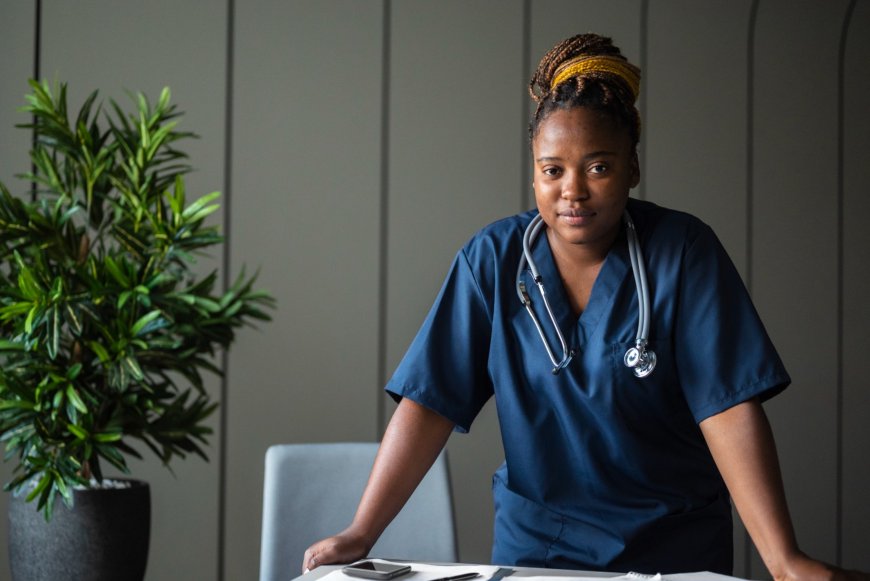
In the fast-paced world of healthcare, the constant pursuit of excellence in patient care is paramount. Yet, despite best intentions and rigorous training, challenges persist, ranging from medication errors to communication breakdowns. These aren't just abstract problems; they directly impact lives. But who is best positioned to identify these subtle yet significant cracks in the system? Often, it's the dedicated nurses at the bedside, the frontline professionals who witness the intricacies of patient care every single day.
As part of advanced nursing education, like the NURS FPX 4020 program, aspiring nurse leaders are rigorously trained in this vital first step: identifying and analyzing critical healthcare quality and patient safety issues. This foundational process is not merely an academic exercise; it's the essential groundwork for every meaningful improvement in patient care. This post will explore how nurses identify these pivotal issues and why their unique perspective is invaluable in shaping a safer, more effective healthcare system.
Unpacking the Problem: A Nurse's Unique Vantage Point
The Everyday Sentinel: Spotting the Subtle Signs
Nurses are the healthcare system's constant observers. From medication administration to patient interactions, they are intimately involved in every aspect of care delivery. This proximity gives them a unique vantage point to identify patterns, inconsistencies, and near misses that might otherwise go unnoticed. For instance, a nurse might observe a recurring delay in lab results leading to delayed treatment, or a lack of clarity in discharge instructions, causing patient confusion and readmissions. These aren't just isolated incidents; they're often symptoms of deeper, systemic issues.
Relevant statistics frequently highlight the scale of preventable harm in healthcare. The World Health Organization (WHO) estimates that millions of patients worldwide suffer injuries or die every year due to unsafe care. Identifying the initial problem, therefore, is the very first, critical step in mitigating these risks.
Beyond the Individual: Understanding Systemic Vulnerabilities
While it's easy to blame individual errors, effective quality improvement shifts focus from individual culpability to systemic vulnerabilities. A nurse trained in quality improvement recognizes that a repeated error isn't necessarily due to a negligent individual, but often a flawed process, inadequate training, or insufficient resources.
For example, a nurse identifying a surge in patient falls might initially consider individual patient factors. NURS FPX 4020 Assessment 1
The Ethical Imperative: Duty of Care and Patient Advocacy
At its core, identifying patient safety and quality issues is an ethical obligation for nurses. The nursing profession's fundamental commitment is patient advocacy and providing safe, effective, and compassionate care. When a nurse identifies a potential risk or deficit in care quality, they are fulfilling their ethical duty to protect patients from harm. This includes speaking up about unsafe practices, advocating for necessary resources, and contributing to a culture where safety is prioritized above all else. This initial identification sparks the ethical imperative for investigation and change, guiding efforts towards enhancing patient outcomes and maintaining trust in the healthcare system.
Nurses in Action: Practical Approaches to Identifying Issues
So, how do nurses actively engage in this vital identification process?
- Critical Observation and Pattern Recognition: It starts with keen observation. Nurses continuously assess processes, patient responses, and team dynamics. They look for recurring patterns, anomalies, or inconsistencies in care delivery.
- Incident Reporting and Analysis: While often seen as bureaucratic, incident reporting systems are crucial. Nurses' accurate and detailed reports of adverse events and near misses provide the initial data points that highlight specific safety concerns needing attention.
- Patient and Family Feedback: Listening actively to patients and their families about their experiences can uncover vital quality gaps. They are often the first to notice communication issues, care coordination problems, or unmet needs.
- Interdisciplinary Collaboration: Discussing concerns with colleagues from various departments (physicians, pharmacists, therapists, social workers) can reveal how different parts of the system interact and where breakdowns occur.
- Utilizing Evidence-Based Practice: Nurses stay updated on the latest research and best practices. When current practice deviates from evidence, it flags a potential quality issue.
Conclusion
The journey to improving healthcare quality and patient safety begins with a single, critical step: the accurate identification of existing issues. Frontline nurses, with their unique insights and unwavering commitment, are uniquely positioned to serve as the initial detectors of these vital problems. By combining astute observation, a systemic analytical approach, and a strong ethical compass, nurses lay the essential groundwork for meaningful change. Programs like NURS FPX 4020 empower them with the structured thinking and evidence-based strategies needed to not only spot these gaps but to spearhead initiatives that transform patient care.