Credit DIY Playbook 2025 | Improve Your Credit Score Without Paying High Fees
Master your credit score using the Credit DIY playbook. Learn affordable, effective strategies to boost your score without relying on expensive credit repair services.
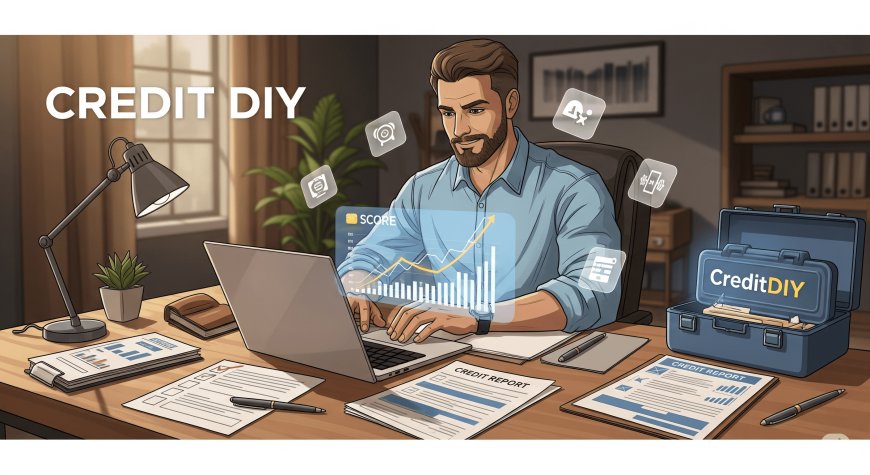
Is a low credit score holding you back? Its a frustrating reality for millions. The dream of a new home, a reliable car, or even just a decent credit card can feel out of reach. In this moment of vulnerability, many turn to credit repair companies that promise the world but often come with a hefty price tag and mixed results.
But heres a secret the pros dont always advertise: You have the legal right and the ability to repair your own credit.
This isnt about finding loopholes or "tricking the system." This is about understanding the rules of the game and using them to your advantage. This is the Credit DIY Playbooka strategic guide to taking control, cleaning up your credit reports, and building a financial future you can be proud of.
Understanding the Playing Field: What Really Impacts Your Score?
Before you can improve your score, you need to know what a "good play" looks like. Lenders use scoring models like FICO and VantageScore to predict your creditworthiness. While the exact formulas are secret, they all weigh these five factors heavily:
-
Payment History (35%): This is the MVP. A single late payment can cause a significant drop in your score. Consistency is key.
-
Amounts Owed / Credit Utilization (30%): This is the percentage of your available credit that you're currently using. Experts recommend keeping it below 30%.
-
Length of Credit History (15%): A longer history of responsible credit use is better. This is why you should think twice before closing old credit card accounts.
-
Credit Mix (10%): Lenders like to see that you can manage different types of credit, such as credit cards (revolving credit) and loans (installment credit).
-
New Credit (10%): Opening several new accounts in a short period can be a red flag. Each application for new credit typically results in a hard inquiry, which can temporarily lower your score.
Your playbook for Credit DIY focuses primarily on the most important factor: ensuring your Payment History and Amounts Owed are reported accurately and fairly.
The Pre-Game Huddle: Assembling Your Toolkit
Every successful strategy requires the right tools. Your Credit DIY journey is no different. Heres what you need to get started:
-
Your Credit Reports: You need the reports from all three major credit bureausEquifax, Experian, and TransUnion. Get them for free at the official source: AnnualCreditReport.com.
-
A System for Organization: Whether its a physical binder, a dedicated folder on your computer, or a spreadsheet, you need a way to track every letter sent, every response received, and every deadline.
-
Knowledge of Your Rights: The Fair Credit Reporting Act (FCRA) is your rulebook. It grants you the right to dispute any information on your credit report that is inaccurate, incomplete, or unverifiable. The bureaus and creditors are legally obligated to investigate your claims.
Your Core Plays: The 3-Step Dispute Strategy
With your toolkit assembled, its time to run the plays that will move the needle on your score.
Play #1: The Accuracy Audit
This is more than a quick scan. Print out your three credit reports and grab three different colored highlighters. Go through each report meticulously, line by line, and highlight any potential errors. Look for:
-
Personal Information Errors: Misspelled names, old addresses, incorrect Social Security numbers.
-
Account Errors:
-
Accounts that don't belong to you (a sign of fraud).
-
Late payments you know were paid on time.
-
The same debt listed multiple times (especially by a collection agency and the original creditor).
-
Incorrect balances or credit limits.
-
Outdated Negative Items: Most negative information must be removed after 7 years. A Chapter 7 bankruptcy is the main exception, staying for 10 years.For each error you find, make a detailed note of the bureau, the creditor's name, the account number, and exactly why you believe it's an error.
Play #2: The Evidence Blitz
A claim without evidence is just an opinion. To give your dispute maximum impact, you need to back it up with documentation. Gather copies of anything that proves your case:
-
Canceled checks or bank statements showing timely payments.
-
A letter from a creditor stating an account was paid in full.
-
Court records showing a judgment was vacated.
-
A police report, if you are a victim of identity theft.
Crucial Tip: Never, ever send your original documents. Always send copies.
Play #3: The Professional Dispute Letter
How you communicate matters. A clear, professional, and fact-based dispute letter is far more effective than an angry, emotional one. Each letter to a credit bureau should include:
-
Your personal identifying information.
-
A clear list of each item you are disputing, including the account number.
-
A simple, direct explanation for each dispute (e.g., "This account does not belong to me," or "This account was paid on time on [Date]").
-
A firm request for the item to be removed or corrected.
-
Copies of your supporting documents and proof of your identity (like a driver's license and utility bill).
Send each dispute letter via certified mail with a return receipt. This creates a paper trail and proves when the bureau received your dispute, starting the 30-day investigation clock mandated by the FCRA.
The Smartest Play of All: Upgrading Your Playbook with Technology
The manual process works, but its slow and requires painstaking organization. In the 21st century, technology offers a massive competitive advantage.
This is where Credit Repair Software comes in. Instead of wrestling with spreadsheets and paper files, this software digitizes and streamlines the entire process. It helps you track disputes, generates professionally written letters, and keeps all your information in a secure, accessible dashboard.
The next evolution is AI Credit Repair. This advanced technology uses artificial intelligence to analyze your credit report and identify the dispute opportunities with the highest probability of success. It can pinpoint which negative items are weighing down your score the most, helping you prioritize your efforts for maximum impact. This is like having a professional strategist guiding your every move.
For those serious about winning the credit game, using a platform that combines these features is the ultimate power-up. The right DIY Credit Repair acts as your digital coach, turning a complex and frustrating process into a manageable, step-by-step plan.
You Are the MVP of Your Financial Future
Credit repair is not a mystery reserved for high-priced experts. It's a skill you can learn and a right you can exercise. By following this playbook, you are not just disputing errors; you are building financial literacy, discipline, and confidence.
Ready to stop watching from the sidelines and get in the game?
CreditDIY provides the cutting-edge software you need to execute your playbook flawlessly. Our platform simplifies the entire Credit DIY process with AI-powered analysis, a guided dispute wizard, and seamless progress tracking. We give you the pro-level tools so you can get pro-level results, all on your own terms.