How to Design a Private Office with Furniture That Boosts Productivity
In this guide, we’ll explore how to design a private office that maximizes efficiency, comfort, and professional appeal using carefully selected furniture pieces.

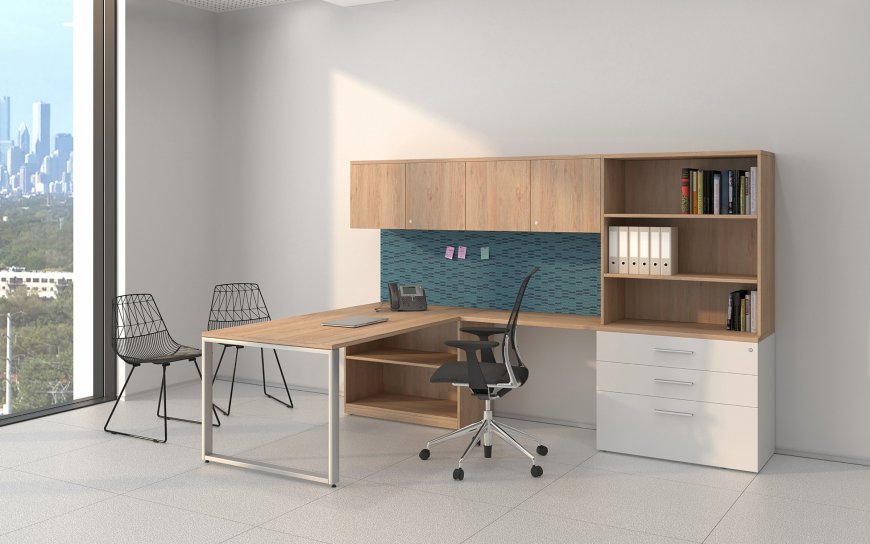
Your work environment plays a powerful role in how productive, organized, and focused you feel each day. Whether you work from home, manage a leadership role, or need a personal workspace in a corporate office, choosing the right private office furniture is one of the smartest ways to create a productive, distraction-free environment.
Why a Well-Designed Private Office Matters
A private office isnt just about having four walls and a door. Its a personal space where you can focus on critical projects, hold confidential conversations, and recharge between meetings. The right private office furniture ensures that your workspace supports productivity, reduces stress, and reflects your professional identity.
- Key reasons to invest in proper private office design:
- Creates an environment free from workplace distractions
- Supports better posture and comfort during long hours of work
- Helps maintain organization and reduce workspace clutter
- Projects a polished, professional image to clients and visitors
- Improves workflow with functional, well-placed furniture
Essential Private Office Furniture for a Productive Workspace
Certain furniture pieces form the foundation of every effective private office. Choosing wisely ensures your space is both practical and visually appealing.
Executive Desk
The executive desk is the centerpiece of any private office. It should offer ample surface space for your computer, paperwork, and office supplies. Many high-quality private office furniture collections feature desks with built-in drawers, cable management, and integrated power modules.
Recommended features:
Sturdy, commercial-grade materials like wood veneer, laminate, or metal
Integrated filing drawers or modular storage
Generous surface area for multitasking
Cable ports or channels for managing cords
Ergonomic Office Chair
Comfort directly affects productivity. Investing in an adjustable, ergonomic office chair is essential. Look for models with:
Adjustable seat height and lumbar support
Adjustable armrests and recline tension
Breathable upholstery for comfort in any season
Smooth swivel and rolling base for ease of movement
Filing and Storage Cabinets
An organized office reduces stress and saves time. Proper private office furniture should include storage solutions such as:
Vertical or lateral file cabinets
Shelving units for reference books and dcor
Lockable cabinets for confidential materials
Credenzas for both storage and display
Conference or Meeting Table
If your private office doubles as a meeting space, a small table with a couple of guest chairs makes it functional and welcoming. Choose a table size that suits your room without crowding your primary workspace.
Accent Furniture and Dcor
Final touches complete the space. Consider adding:
Bookcases for awards, literature, or personal items
Artwork to create visual interest
Desk lamps or floor lamps for better lighting
Plants for a calming, natural touch
How to Layout a Private Office for Maximum Efficiency
An effective office layout is about more than just aesthetics. Proper furniture placement boosts productivity and helps maintain a clean, organized environment.
Consider these layout principles:
Position your desk near a window for natural light
Allow easy access to storage and filing systems
Arrange guest chairs to create a welcoming, uncluttered space
Avoid placing furniture in pathways or cramped corners
Keep commonly used items within arms reach of your workstation
Design Tips for an Inspiring Private Office
Even small changes to your office setup can have a big impact on focus and motivation. Heres how to enhance your office design using private office furniture:
Choose neutral, calming colors like white, gray, or beige for walls and larger furniture
Add personality with subtle dcor items framed photos, plants, or desk accessories
Invest in furniture that balances function and style; your pieces should be practical and professional
Use lighting strategically to reduce glare and create a comfortable ambiance
Keep visible clutter to a minimum with smart storage solutions
Common Private Office Design Mistakes to Avoid
Even with quality furniture, a poor layout or mismatched pieces can hinder your workflow. Watch out for these mistakes:
Buying furniture without measuring your office space
Choosing style over comfort, especially with office chairs
Overcrowding the room with unnecessary items
Ignoring cable management, leading to messy work surfaces
Using mismatched furniture that disrupts a cohesive look
Where to Find Affordable, High-Quality Private Office Furniture
Outfitting a private office doesnt have to mean overspending. Many professionals find excellent deals at office furniture warehouses or online outlets specializing in overstock, gently used, and refurbished pieces. These suppliers often carry premium private office furniture brands at a fraction of retail prices, including executive desks, ergonomic chairs, and modular storage systems.
FAQs About Designing a Private Office with Furniture
Q1: How much space do I need for a private office setup?
Ideally, a private office should be at least 100150 square feet to comfortably accommodate a desk, chair, storage, and guest seating. Smaller rooms can still function well with space-saving furniture.
Q2: Is ergonomic furniture worth the investment?
Absolutely. Ergonomic chairs and adjustable desks promote good posture, reduce fatigue, and support long workdays, making them a crucial part of any productive office.
Q3: How do I make a private office feel less cramped?
Choose multifunctional furniture, keep color schemes light, and minimize clutter. Vertical storage solutions like tall bookcases or wall shelves also save floor space.
Q4: Should I buy new or refurbished private office furniture?
Both can be excellent options. Refurbished private office furniture from reputable suppliers offers great value and professional-grade quality without the high price tag.
Q5: Whats the best lighting for a private office?
Natural light is ideal, supplemented by adjustable desk lamps or overhead lighting with soft, warm tones to reduce eye strain and improve ambiance.
Final Thoughts
Designing a productive, comfortable private office isnt just about picking a desk and a chair its about creating a thoughtful environment tailored to your workflow, preferences, and professional image. Choosing well-crafted private office furniture and arranging it strategically can boost productivity, enhance focus, and leave a lasting impression on visitors. Whether youre furnishing a corporate office or setting up a home workspace, these tips will help you design an efficient, polished, and comfortable private office youll be proud to work in every day.