
































Punk in a Black Dress: Comme des Garçons’ Feminine Masculinity

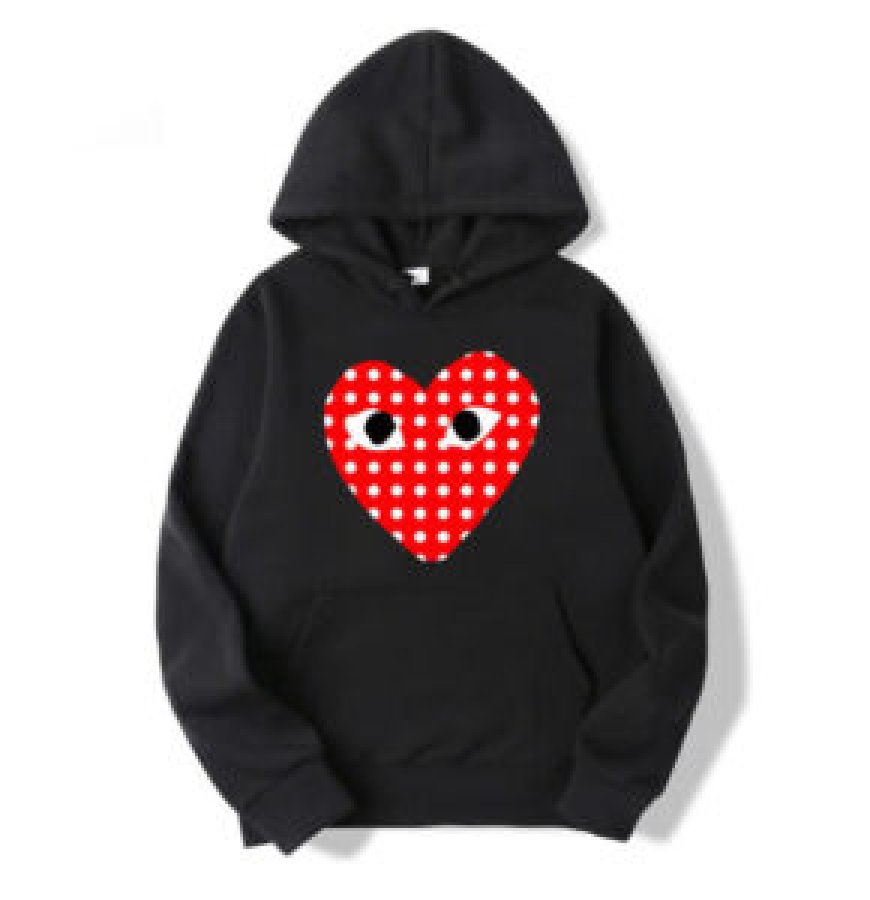
In the ever-evolving world of fashion, few brands have defied norms, broken boundaries, and reconstructed identity as fiercely as Comme des Garons. Founded by Rei Kawakubo in 1969, the Japanese label is often synonymous with avant-garde design, experimental silhouettes, and intellectual rebellion. Comme Des Garcons Among its many groundbreaking contributions, one of the most potent themes coursing through Comme des Garons veins is the complex dance between femininity and masculinitya blend that finds a particularly bold and poetic voice in what might seem the simplest of garments: the black dress.
Redefining the Female Form
Traditionally, the black dress is an archetype of femininitygraceful, sleek, elegant. It has often been associated with the notion of the perfect woman, a mold that fits societal expectations of allure and elegance. Kawakubo, however, is not interested in satisfying expectations. Her black dresses are less about form-fitting seduction and more about resistance, disruption, and confrontation. They are armor. They are questions. They are punk.
In the hands of Comme des Garons, the black dress becomes a medium of protest. It is deconstructed, oversized, slashed, padded, asymmetrical. Instead of accentuating curves, it often obscures them. Rather than softening the body, it armors it. The result is a garment that challenges our gaze: it refuses to be passive, ornamental, or inviting. It becomes active, intellectual, and often aggressive. In this space, Kawakubo crafts her vision of feminine masculinity, not as a contradiction, but as a liberation.
The Philosophy of Anti-Fashion
Comme des Garons has always occupied a space beyond fashionwhat many critics and enthusiasts term anti-fashion. This doesnt mean its outside the industry, but rather that it resists its conventions. Kawakubos designs do not strive to be pretty in the conventional sense. Instead, they force the viewer and wearer to reconsider beauty, gender, and identity. Her black dresses often carry the raw energy of punka movement that itself rejected polish and perfection in favor of authenticity, rebellion, and disruption.
This is evident in how Kawakubo dismantles the visual markers of traditional femininity. She plays with proportions, textures, and layers to unsettle the silhouette. A Comme des Garons black dress may include shoulder pads reminiscent of military uniforms or rough edges that seem almost violently torn. There is nothing dainty or submissive here. These dresses challenge the wearer to occupy space differentlyto take up more of it, to move through it as an individual rather than an object of desire.
Gender as a Fabric, Not a Rule
One of the most radical elements of Comme des Garons aesthetic is its fluidity. Kawakubos designs have never adhered strictly to binary notions of gender. Her black dresses often incorporate traditionally masculine design elements: boxy tailoring, structured shoulders, straight lines, and a notable absence of frills. Yet they are worn by womenand increasingly, by menas statements of identity, not definitions of it.
The term feminine masculinity, in this context, does not imply an attempt to make women more masculine or vice versa. Instead, it suggests a kind of androgynous power that transcends gender norms altogether. It is about embodying strength, individuality, and autonomytraits often coded as masculine in traditional fashion narrativeswithout surrendering the complex expressiveness that feminine aesthetics offer. Comme des Garons black dresses, then, become wearable manifestos: statements about gender as performance, as choice, and as multiplicity.
The Black Dress as Canvas and Code
Color plays a symbolic role in Kawakubos work. The persistent use of black is not incidental. In Western fashion history, black is loaded with meaning: it signifies sophistication, mystery, mourning, rebellion. In the hands of designers like Coco Chanel, the little black dress became the ultimate symbol of chic minimalism. Kawakubo reclaims black not for elegance but for ambiguity. In her world, black is not a backdropit is the subject. It allows the construction of form to take precedence, stripping away the distractions of color and forcing the viewer to confront the silhouette and structure itself.
Through this lens, the black dress becomes more than an item of clothingit becomes a conceptual framework. Kawakubo often speaks of creating something that didnt exist before, and this philosophy permeates every thread of her work. In stripping the dress of conventional glamour and femininity, she allows it to become something rawer, more honest. It is as much about what it hides as what it reveals, both physically and symbolically.
Punk, Politics, and the Power of Silence
The word punk carries cultural baggage: it evokes rebellion, noise, aggression, youth. But in Kawakubos universe, punk is quieter, more philosophical. It is about rejecting the systems that tell us what is acceptablewhether in gender presentation, aesthetic beauty, or consumer behavior. Her black dresses dont scream; they whisper provocations. They question your assumptions. They invite discomfort.
The political implications of this approach are enormous. In a world where fashion often reinforces oppressive normsabout bodies, gender, class, raceComme des Garons offers a powerful counter-narrative. It is not about dressing to be seen, but dressing to think. The punk in the black dress is not the stereotype of leather jackets and safety pins; she is the woman who refuses to conform, who chooses complexity over simplicity, who demands that fashion serve as a space of intellectual and emotional freedom.
Influence Beyond the Runway
Comme des Garons has not merely shaped the avant-garde; it has infiltrated the mainstream in subtle but profound ways. High street fashion has adopted asymmetry, layering, oversized garments, and gender-neutral collections. Yet few have done so with the same integrity or philosophical rigor as Kawakubo.
Designers from Rick Owens to Yohji Yamamoto to emerging talents in global fashion capitals cite Kawakubo as an influence. Museums curate retrospectives of her work not just for its aesthetics but for its cultural and political significance. In this sense, the black dress becomes a ripple in a much larger wavea symbol of a shifting cultural consciousness that resists definition and embraces multiplicity.
Conclusion: Dressing for the Future
As fashion continues to evolve alongside conversations about gender identity, body politics, and self-expression, Comme des Garons black dress remains remarkably currentperhaps even prophetic. In a world that often pressures individuals to Comme Des Garcons Long Sleeve conform to fixed identities and visual codes, the notion of feminine masculinity offers a compelling alternative. It reminds us that strength and softness, rebellion and grace, mystery and clarity can all coexist within a single garmentand within a single person.
The punk in a black dress does not ask for approval. She does not fit the mold. She exists precisely to break it. And in doing so, she reminds us that fashion, at its best, is not about decorationit is about revolution.




