The Evolving Journey of Automobiles: More Than Just Machines

Automobiles have become such a normal part of life that we hardly stop to think about how deeply they shape our world. Whether its a morning commute, a family road trip, or transporting goods across countries, cars, trucks, and motorcycles are everywhere. But the story of automobiles is not just about getting from one place to another; its a story of innovation, design, and cultural impact.
A Quick Look at the Past
The first automobiles appeared in the late 19th century, powered by steam and later by gasoline engines. Back then, cars were seen as luxury itemsexpensive, noisy, and sometimes unreliable. However, everything changed when Henry Ford introduced mass production techniques in the early 1900s. His famous Model T made owning a car possible for the average family.
From there, automobiles began to evolve rapidly. Design improved, engines became more powerful, and cars became safer and more comfortable. By the mid-20th century, vehicles had firmly established themselves as a key part of modern life.
Automobiles and Everyday Life
Today, its hard to imagine a world without cars. For many people, their car is almost like an extension of their home. You drink your coffee in it, listen to music or podcasts, and sometimes even catch a moment of quiet between errands. Cars provide not just convenience but also a sense of independence.
In many cities, cars are essential for work. Delivery services, ride-sharing apps, and long-haul transportation all rely on automobiles. In fact, industries from construction to healthcare depend on specialized vehicles to get the job done.
The Rise of New Technologies
In recent years, the automobile industry has seen a wave of innovation. Here are a few trends changing the landscape:
-
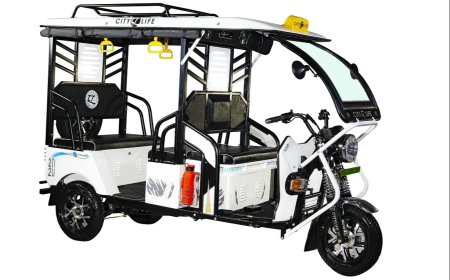
Electric Cars (EVs): With environmental concerns on the rise, electric cars have grown popular. They produce zero emissions and are quieter than traditional gasoline engines. Brands like Tesla, Nissan, and Ford are investing heavily in electric technology.
-
Self-Driving Vehicles: While still in development, self-driving or autonomous cars hold the promise of safer roads and more efficient travel. These vehicles use sensors and AI to navigate without human input.
-
Smart Features: Modern cars now come equipped with advanced infotainment systems, lane-keeping assistance, automatic braking, and even parking assistance.
One noticeable cultural crossover is the blend of automobile and lifestyle products. For instance, items like cool vapes often find a place in the glove compartment or cup holder, showing how driving has become part of a larger lifestyle involving personal gadgets and accessories.
Design Matters Too
Its not just about whats under the hood; people care about how their cars look and feel. Whether its a sleek sports car or a rugged SUV, design plays a huge role in a buyers decision. Color, shape, and interior finishes all add to a cars appeal.
Manufacturers now also focus on eco-friendly materials and ergonomic designs to make the driving experience more pleasant while reducing the cars environmental impact.
Automobiles and Environmental Responsibility
With more cars on the road than ever, environmental impact is a big topic. Governments around the world are encouraging the shift toward electric vehicles and tighter emissions standards. Car owners are also becoming more conscious, choosing fuel-efficient models and considering hybrid or fully electric options.
Interestingly, just as the automobile industry is moving toward cleaner technologies, theres also growing awareness about personal habits. For instance, smokers who once lit up in their cars now often switch to alternatives like e cig devices, which produce less odor and are generally easier to manage in small, enclosed spaces.
The Future of Automobiles
So, whats next for cars? Experts predict that in the coming decades, cars will be mostly electric and possibly even entirely autonomous. Cities might adopt shared vehicle systems instead of private ownership, reducing congestion and pollution.
We can also expect further integration with smart city technology. Imagine a car that talks directly to traffic signals or finds its own parking space while you head into a store. These features are closer than you might think.
Final Thoughts
The automobiles journey from steam-powered engines to sleek electric vehicles is a fascinating story of progress. Cars are more than just transportationthey reflect our lifestyles, our culture, and our ambitions.
Whether youre a fan of classic muscle cars, a tech enthusiast excited about self-driving features, or simply someone who enjoys a quiet drive after a long day, theres no denying the automobiles role in shaping the modern world. As technology continues to advance, one thing remains certain: cars will keep evolving, just as we do.