The Truth About Phenoxyethanol: Skincare Preservative Explained
In this article, we break down everything you need to know about phenoxyethanol for skin—its role, benefits, risks, and how it compares to other preservatives. Whether you’re a skincare novice or ingredient-savvy enthusiast, understanding this preservative helps you make more confident, informed choices.

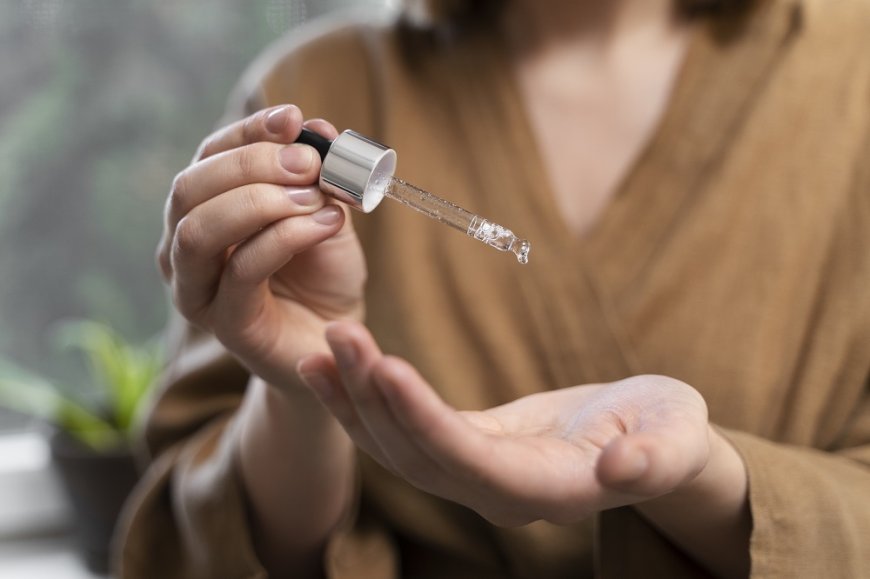
In todays beauty-conscious world, knowing what goes into your skincare routine is as important as knowing how to use it. One ingredient you may frequently seethough you might not recognize itis phenoxyethanol. Found in everything from cleansers and moisturizers to serums and sunscreens, phenoxyethanol has become a cornerstone preservative in cosmetics. But whats the truth behind this widely used ingredient?
In this article, we break down everything you need to know about phenoxyethanol for skinits role, benefits, risks, and how it compares to other preservatives. Whether youre a skincare novice or ingredient-savvy enthusiast, understanding this preservative helps you make more confident, informed choices.
What Is Phenoxyethanol?
Phenoxyethanol is a synthetic preservative used in personal care products to prevent microbial growth. While it does occur naturally in green tea, the type used in cosmetics is synthetically derived by reacting phenol with ethylene oxide, resulting in a clear, oily liquid with mild floral odor.
Its main role is to protect skincare formulations from contamination, especially in products that contain water (which are most of them). Without effective preservatives like phenoxyethanol, skincare products could become breeding grounds for bacteria, mold, and yeastposing serious health risks.
Why Is Phenoxyethanol Used in Skincare?
Phenoxyethanol for skin preservation has become a gold standard due to its broad-spectrum antimicrobial activity, long shelf life, and compatibility with a wide range of ingredients. Its particularly favored in paraben-free formulas, offering a safer alternative to older, more controversial preservatives.
Benefits of Using Phenoxyethanol in Skincare:
-
? Prevents microbial contamination
-
? Stable under various temperatures and light conditions
-
? Non-volatile and doesnt interfere with product texture or smell
-
? Effective in low concentrations (typically ? 1%)
-
? Works well in combination with other preservatives like ethylhexylglycerin
Thanks to these qualities, its found in a wide variety of products: moisturizers, sunscreens, facial cleansers, serums, shampoos, baby lotions, and even eye creams.
Is Phenoxyethanol Safe for Skin?
The short answer: Yes, in small amounts. According to major regulatory authorities and dermatological studies, phenoxyethanol for skin is safe for use up to 1% concentration.
Regulatory Support:
-
European Union: Approved for use in cosmetics at concentrations up to 1%.
-
Cosmetic Ingredient Review (CIR): Declares phenoxyethanol safe at ?1% in both rinse-off and leave-on products.
-
FDA (U.S.): Allows its use in personal care products with no specific upper limit, though most brands comply with global standards and stay below 1%.
Real-World Use:
Most skincare products on the market today contain less than 1% phenoxyethanol, making them safe for daily use in adults with normal, sensitive, or even acne-prone skin types.
Potential Risks and Side Effects of Phenoxyethanol
Despite its safety in regulated amounts, phenoxyethanol isnt completely risk-free. Like many preservatives, it may cause reactions in some individuals.
1. Skin Irritation or Contact Dermatitis
For people with sensitive or reactive skin, phenoxyethanol may trigger:
-
Redness
-
Itching
-
Dry patches
-
Stinging sensation
While rare, allergic reactions are more likely when used with other sensitizing ingredients like alcohol, acids, or synthetic fragrances.
2. Caution for Infants and Babies
The FDA raised concerns in 2008 about the use of phenoxyethanol in baby nipple creams, citing potential nervous system depression and vomiting if ingested. As a result, its recommended that leave-on products for infants under 3 months avoid phenoxyethanol altogether.
3. Environmental Concerns
Phenoxyethanol is not biodegradable and may accumulate in water systems, potentially affecting aquatic life. Although it's safe for human use, eco-conscious consumers may prefer natural preservatives for sustainability reasons.
How to Know If Your Skincare Contains Phenoxyethanol
Its quite easy to find outread the ingredient list. Phenoxyethanol is usually listed toward the end of the label, indicating its used in small amounts (typically <1%).
It may also be listed alongside:
-
Ethylhexylglycerin
-
Potassium Sorbate
-
Sodium Benzoate
These combinations help boost preservative efficacy while minimizing the concentration of each individual agent.
Who Should Avoid Phenoxyethanol?
While most users tolerate phenoxyethanol without any problems, certain groups may want to avoid or minimize its use:
-
Infants and toddlers, especially in leave-on products
-
Individuals with eczema or highly sensitive skin
-
People with known preservative allergies
-
Eco-conscious consumers avoiding synthetic ingredients
If you fall into any of these categories, consider using phenoxyethanol-free skincare products or consulting a dermatologist for safer alternatives.
Natural Alternatives to Phenoxyethanol
For those who prefer a cleaner, greener skincare routine, here are some natural or plant-based preservative alternatives:
| Preservative | Source | Notes |
|---|---|---|
| Leuconostoc/Radish Root Ferment | Fermented radish | Mild, effective but short shelf life |
| Sodium Benzoate | Salt of benzoic acid | Often combined with potassium sorbate |
| Gluconolactone & Sodium Benzoate | Fermented sugar | Popular in natural products |
| Potassium Sorbate | Sorbic acid | Common food-grade preservative |
Keep in mind that natural preservatives are usually less stable, may require refrigeration, and often come with a shorter shelf life.
How Does Phenoxyethanol Compare to Other Preservatives?
Lets compare phenoxyethanol with some commonly used (and often criticized) skincare preservatives:
| Preservative | Concerns | Phenoxyethanol Advantage |
|---|---|---|
| Parabens | Endocrine disruption, banned in EU | Phenoxyethanol is paraben-free |
| Formaldehyde releasers | Carcinogenic potential | Phenoxyethanol does not release formaldehyde |
| Methylisothiazolinone | Skin sensitization | Phenoxyethanol is less irritating |
| Benzyl Alcohol | Limited effectiveness | Phenoxyethanol is broader spectrum |
Overall, phenoxyethanol offers a balanced profile: effective, stable, and safe in small concentrations.
Tips for Safe Use of Phenoxyethanol Products
Want to use skincare with phenoxyethanol but minimize any risks? Follow these simple tips:
-
Use fewer layers Dont overload your routine with multiple products containing phenoxyethanol.
-
Always patch test Apply a small amount behind the ear or on your wrist before full-face use.
-
Avoid using on broken or inflamed skin This helps prevent increased sensitivity or absorption.
-
Monitor your skin If irritation develops, stop use and consult a dermatologist.
The Verdict: Is Phenoxyethanol Bad for Your Skin?
Not at allwhen used correctly and in moderation. Despite online fear-mongering, phenoxyethanol for skin is a well-regulated, safe, and essential preservative used to keep products fresh and free from harmful microbes. Its tolerated by most skin types and widely used in dermatologist-recommended brands.
Unless you have known sensitivities or are strictly avoiding synthetic ingredients, there's little reason to be concerned.
Conclusion
Phenoxyethanol plays a crucial role in the world of skincare. Its not a fancy active ingredient like vitamin C or retinol, but it ensures your products remain safe, effective, and long-lasting. While not suitable for everyone, especially infants or individuals with sensitive skin, it remains one of the most reliable preservatives available today.