Tree Pruning: The Complete Guide to Healthy and Beautiful Trees
Tree pruning is more than just snipping away at branches. It’s a careful balance of art and science that improves tree health, boosts safety, and makes your property more beautiful. Whether you DIY or hire a pro, the key is knowing when, how, and why to prune. Healthy trees? Happy yard.
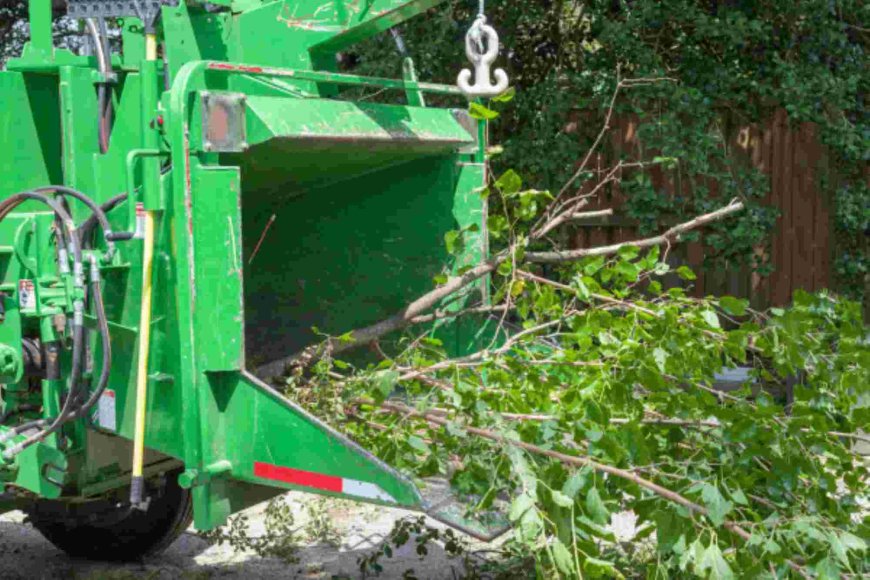
Tree pruning is like giving your trees a good haircut. It's not just for looksit's essential for their health, safety, and structure. Whether youve got a towering oak in your backyard or a line of fruit trees in the garden, pruning helps them thrive. Ready to learn how to do it right? Lets get into it.
What Is Tree Pruning?
Tree pruning is the selective removal of branches, limbs, or parts of a tree to improve its structure, appearance, or health. Its done using special techniques and tools to avoid harming the tree.
Why Tree Pruning Matters
Pruning isnt just cosmeticit encourages stronger growth, removes diseased or dead branches, and prevents safety hazards. Think of it as proactive care for your trees and property.
Benefits of Tree Pruning
Healthier Growth
Removing dead, diseased, or crowded branches allows the tree to focus energy on healthy limbs and new growth.
Improved Appearance
Well-pruned trees look balanced and tidy, enhancing your landscapes visual appeal.
Increased Safety
Dead limbs and overhanging branches are dangerous. Pruning minimizes the risk of falling debris during storms.
Better Sunlight and Airflow
Opening up the canopy improves air circulation and sunlight penetrationgreat for lawn health and preventing mold or mildew.
When to Prune Trees
Seasonal Pruning Guide
Winter
Best time for most treesespecially deciduous ones. Trees are dormant, so wounds heal faster and pest risk is lower.
Spring
Ideal for light shaping and post-winter cleanup. Be cautious with trees that bloom early.
Summer
Great for controlling growth or removing fast-growing water sprouts and suckers.
Fall
Generally not recommended. Trees are preparing for dormancy, and pruning can weaken them.
Signs That Its Time to Prune
-
Dead or broken branches
-
Branches rubbing together
-
Limbs near power lines or roofs
-
Misshapen or overcrowded canopy
Types of Tree Pruning
Thinning
Selective branch removal to reduce density and improve air/sunlight penetration.
Crown Reduction
Shortens tree height or widthused to clear power lines or prevent property damage.
Raising
Removes lower branches to provide clearance for walkways, driveways, or buildings.
Cleaning
Removes dead, diseased, or loose branches from the crown.
Topping (Why You Should Avoid It)
Cutting off the top of a tree? Just dont. It weakens the tree and ruins its natural shape.
Tree Pruning Techniques
Proper Cutting Methods
-
Cut outside the branch collar (the thick base area).
-
Use three-cut method for large branches to prevent bark tearing.
-
Angle cuts slightly down and away from the tree.
Tools You Need
-
Hand pruners (for small branches)
-
Loppers (for mid-sized limbs)
-
Pruning saws or pole saws (for larger or high branches)
-
Chainsaw (professionals only)
How Much Is Too Much?
Never remove more than 25% of a trees crown in one pruning session.
Trees That Need Regular Pruning
Fruit Trees
Prune annually for better fruit production and to control size.
Flowering Trees
Shape right after flowering to preserve blooms for next year.
Shade Trees
Keep them structurally strong and remove low-hanging hazards.
Evergreen Trees
Need less pruning but benefit from occasional shaping and deadwood removal.
Common Tree Pruning Mistakes
Over-pruning
Removing too much foliage stresses the tree and hinders growth.
Pruning at the Wrong Time
Each species has a preferred seasondo your research first.
Using Dull Tools
Dull blades crush instead of cut, making trees vulnerable to disease.
Topping the Tree
This outdated practice leads to weak limbs and decay.
DIY Tree Pruning Tips
Safety Gear Checklist
-
Helmet
-
Safety glasses
-
Gloves
-
Long sleeves
-
Sturdy ladder or lift
Step-by-Step Pruning Basics
-
Inspect the tree
-
Remove dead or damaged limbs
-
Thin the canopy carefully
-
Avoid removing the central leader (main upward branch)
When to Call a Professional
-
If the limb is near power lines
-
If you need to climb higher than 10 feet
-
If youre unsure about tree structure
Hiring a Professional Tree Pruner
What to Look For
-
Certified arborist (ISA credentials)
-
Insurance and licensing
-
Positive reviews and local references
Cost of Tree Pruning
-
Small trees: $150$400
-
Medium trees: $300$800
-
Large trees: $500$1,500+
Questions to Ask Before Hiring
-
Whats your pruning method?
-
Will you haul away debris?
-
Do you provide free estimates?
Tree Pruning and Property Value
Boosting Curb Appeal
Healthy, well-shaped trees make your yard stand outespecially to potential buyers.
Preventing Tree-Related Damage
Regular pruning avoids costly repairs from broken branches or root overgrowth.
Eco-Friendly Pruning Practices
Recycling Branches and Debris
Turn trimmed branches into mulch, firewood, or compost.
Avoiding Harm to Wildlife
Prune outside of nesting seasons and check for birds before cutting.
Legal Considerations for Tree Pruning
Neighboring Tree Laws
In most areas, you can prune branches hanging over your propertybut only to the boundary line.
Local Regulations
Some cities require permits to prune heritage or protected trees. Always check before cutting.
Conclusion
Tree pruning is more than just snipping away at branches. Its a careful balance of art and science that improves tree health, boosts safety, and makes your property more beautiful. Whether you DIY or hire a pro, the key is knowing when, how, and why to prune. Healthy trees? Happy yard.
FAQs
Q1: How often should I prune my trees?
Most trees benefit from pruning every 13 years, depending on the species and growth rate.
Q2: Can pruning harm a tree?
Yesif done improperly or too aggressively. Always follow best practices or hire a certified arborist.
Q3: What time of year is best for pruning?
Late winter or early spring is ideal for most trees, before new growth starts.
Q4: Should I seal the cuts after pruning?
Nomodern research shows wound dressings can trap moisture and promote decay.
Q5: Is it okay to prune in the rain?
Avoid pruning in wet conditionsit can increase the spread of diseases and make climbing dangerous.