Tree Pruning: The Secret to a Healthy, Beautiful Yard
Tree pruning isn’t just about looks—it’s a critical part of responsible tree care. Done right, it improves health, safety, and beauty all at once. Whether you’re pruning fruit trees, ornamental trees, or towering oaks, doing it properly (or hiring a pro) ensures your green giants thrive for years to come.
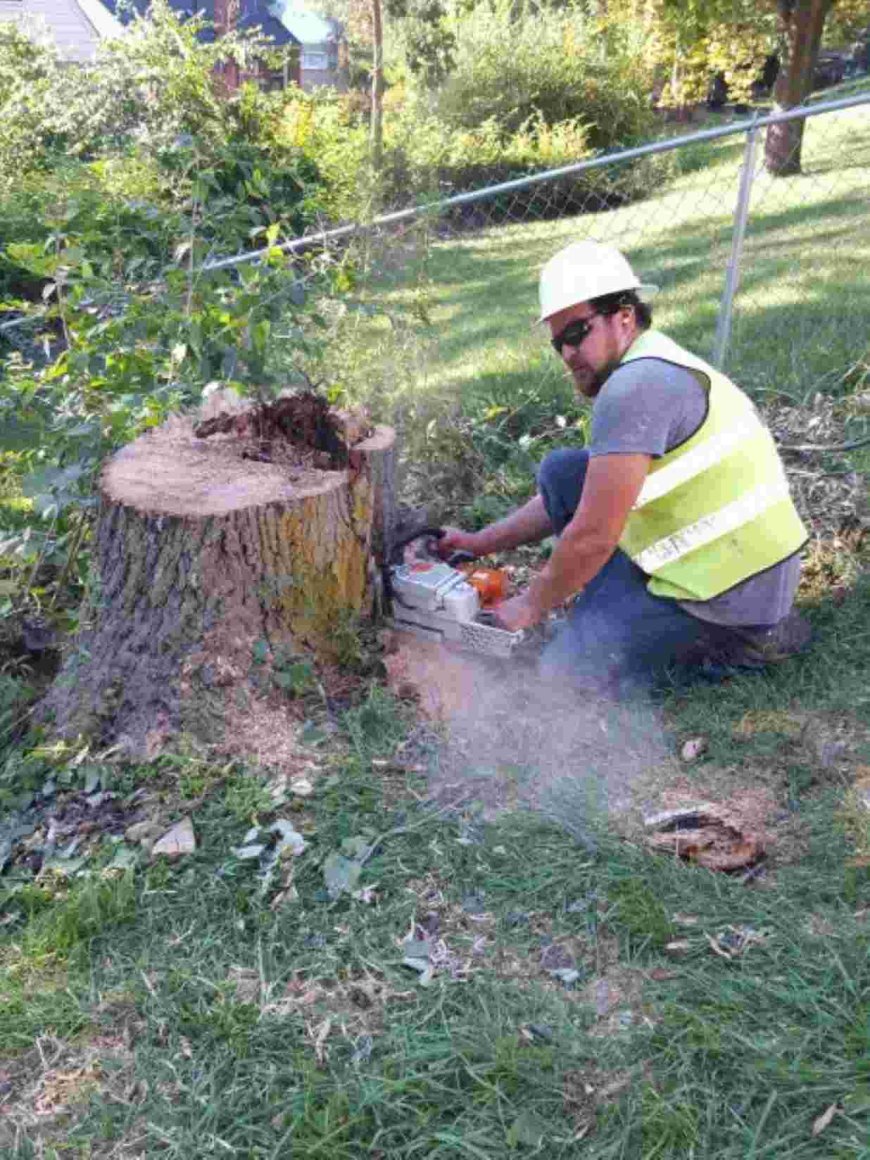
Tree pruning is the careful and strategic cutting of branches to improve a trees health, safety, and appearance. Its more than just giving your trees a haircutits about guiding their growth, preventing hazards, and supporting long-term vitality.
Why Tree Pruning Matters
If you ignore pruning, you invite troublethink weak limbs, dead branches, and stunted growth. But with proper pruning, your trees thrive, your yard looks cleaner, and your home stays safer.
The Key Benefits of Tree Pruning
Boosts Tree Health
By removing dead, diseased, or damaged limbs, pruning keeps trees healthier and less susceptible to insects or decay.
Encourages Stronger Growth
Strategic pruning helps shape the trees structure, supporting stronger limbs and even, balanced growth.
Enhances Curb Appeal
Clean lines, symmetrical shapes, and well-kept trees make your property more beautiful and inviting.
Prevents Property Damage
Overgrown limbs can fall on roofs, power lines, or carspruning keeps branches in check and hazards at bay.
Improves Sunlight and Air Circulation
Thinning out dense foliage lets in more light and air, which benefits not just the tree, but the plants and lawn below it.
Different Types of Tree Pruning
Deadwood Removal
This is the most basic typecutting off branches that are dead, broken, or infected.
Crown Thinning
This involves removing select inner branches to allow light and air to penetrate the canopy more effectively.
Crown Raising
Need more clearance under your tree? Crown raising removes lower branches to lift the canopy.
Crown Reduction
Used to reduce the height or spread of a tree, especially near power lines or buildings.
Structural Pruning
This technique helps young trees develop strong, stable forms to prevent future problems.
When Is the Best Time to Prune Trees?
Seasonal Guidelines
-
Winter (Dormant Season): Best for most trees; promotes vigorous spring growth.
-
Late Summer: Light pruning can be done after the growth spurt slows.
-
Spring/Summer: Avoid heavy pruning as it may stress the tree.
Tree Type Considerations
-
Deciduous trees usually do best when pruned in winter.
-
Evergreens prefer light trimming in early spring or mid-summer.
Avoiding Stress During Growth Seasons
Heavy pruning during active growth can sap the trees energy and leave it vulnerable to pests and disease.
Common Tree Pruning Mistakes to Avoid
Topping Trees
Cutting the top off a tree is one of the worst things you can doit stresses the tree and encourages weak, unsightly growth.
Over-Pruning
Removing more than 25% of a trees canopy at once can shock the tree and slow its recovery.
Incorrect Cuts
Poor cutting angles or locations can damage the tree and invite decay.
Pruning at the Wrong Time
Pruning out of season can stunt growth, spread disease, or kill flower buds.
Tools You Need for Tree Pruning
Hand Pruners
Perfect for small branches and detailed work.
Loppers
Great for branches up to 2 inches thicklong handles offer better leverage.
Pruning Saws
Used for cutting thicker limbs with clean, controlled cuts.
Pole Pruners
Extend your reach to high branches without a ladder.
Safety Equipment
Dont forget gloves, safety goggles, hard hats, and sturdy shoes.
DIY Tree Pruning Tips
How to Make the Right Cut
Always cut just outside the branch collar (the thick area where the branch meets the trunk) for proper healing.
Safety First
Dont risk injurywear protective gear, and never climb trees or use power tools without training.
Recognizing When to Call a Pro
Large trees, branches near power lines, or heavily diseased trees should always be left to professionals.
Professional Tree Pruning Services
What to Expect
Experts inspect the trees health, plan proper cuts, and use specialized tools to prune efficiently and safely.
How Pros Improve Tree Health
They know where to cut, how much to remove, and how to avoid stressing the tree.
Cost Factors
Prices vary based on tree size, accessibility, and complexityranging from $100 to $1,000+.
Tree Pruning for Fruit Trees
Boosting Fruit Production
Removing old or overcrowded branches encourages more sunlight and better airflow, which leads to better fruit yields.
Shaping Young Trees
Helps establish a strong framework early on for maximum productivity later.
Removing Diseased Branches
Stops the spread of infections and ensures healthy fruit growth.
Tree Pruning for Ornamental Trees
Keeping Shape and Aesthetic
Pruning maintains the design and shape of decorative trees, keeping them in scale with your landscape.
Removing Suckers and Water Sprouts
These fast-growing shoots sap energy and spoil the trees appearance.
How Often Should Trees Be Pruned?
Fast vs. Slow Growing Trees
-
Fast-growers: Every 12 years
-
Slow-growers: Every 35 years
Age of the Tree
Young trees need frequent light pruning, while mature trees can go longer between trims.
Surrounding Environment
Trees in urban or high-traffic areas may need more frequent maintenance.
Pruning and Tree Health
Wound Healing
Proper pruning helps trees seal wounds faster and defend against disease.
Avoiding Disease Spread
Cutting out infected limbs early stops disease from spreading to the whole tree.
Improving Longevity
Well-maintained trees live longer and strongersimple as that.
Environmental Benefits of Tree Pruning
-
Reduces fire hazards in dry areas
-
Improves carbon capture by supporting tree vitality
-
Helps urban trees handle wind and storm damage better
Conclusion
Tree pruning isnt just about looksits a critical part of responsible tree care. Done right, it improves health, safety, and beauty all at once. Whether youre pruning fruit trees, ornamental trees, or towering oaks, doing it properly (or hiring a pro) ensures your green giants thrive for years to come.
FAQs About Tree Pruning
1. How often should I prune my trees?
It depends on the trees age and growth rate. Most trees benefit from pruning every 23 years.
2. Is there a bad time to prune?
Yesavoid heavy pruning during peak growth or flowering seasons unless absolutely necessary.
3. Will pruning hurt my tree?
Not if done properly. Correct cuts promote healing and growth.
4. Can I prune trees myself?
Yes, for small trees and branches. But hire a pro for tall trees or anything near hazards.
5. Whats the difference between trimming and pruning?
Trimming usually refers to shaping for aesthetics, while pruning focuses on health and structure.