When Natural Isn’t Always Simple: The Gluten Question Around Honey
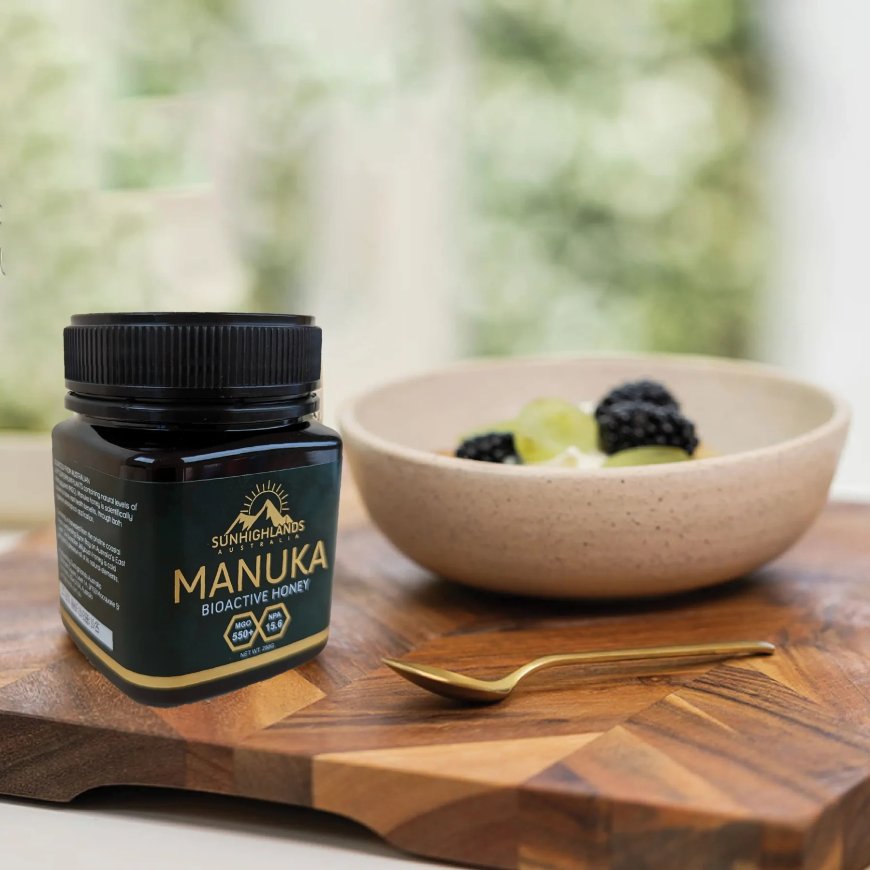
SunHighlands Manuka Bioactive Honey – 100% pure Australian honey with high MGO potency. Family-owned and sustainably harvested from pristine highlands for exceptional taste and natural health benefits. Experience premium quality, straight from Sydney
That golden drizzle might seem like the safest sweetener on your shelf, but if you're following a strict gluten-free diet, is honey always as safe as it looks? Here's the full story.
Where the Confusion Begins
Most people assume honey is a safe choice. It's natural, comes from bees, and doesn't involve wheat, barley, or rye. On the surface, that should make it safe for anyone avoiding gluten. But in practice, food labeling and hidden processing methods can complicate things.
Walk through any Parramatta supermarket and you'll see shelves lined with honey jars that look similar but offer very different promises. Raw, creamed, Manuka, organic, filteredthe options seem endless. Some carry health claims, while others are just labeled "pure." For someone with celiac disease or gluten sensitivity, that sea of labels isn't just confusingit could lead to risky assumptions.
Why "Natural" Isn't Always Enough
Heres the issue: While pure honey in its raw form is naturally gluten-free, cross-contamination can still happen during packaging, especially if the facility also handles gluten-containing ingredients. Some brands even add thickeners or flavorings that may not be gluten-free. This makes knowing your source as important as reading the label.
Even with a natural product like honey, gluten-conscious consumers must be alert to processing risks. Some small-batch or imported honeys might not meet strict allergen separation guidelines. And unless it's certified, the phrase "gluten-free" might never appear on the jar.
A Local Lesson from Parramatta
Laura, a 34-year-old graphic designer from Parramatta, had been dealing with non-celiac gluten sensitivity for years. After switching to a whole-food diet, she used honey to replace processed sugar in everything from salad dressings to herbal teas. One week, she developed a recurring stomach upset after buying a new "creamed honey" from a weekend market.
Assuming her symptoms were from something else, she kept using ituntil her nutritionist asked her to bring in the jar. While there was no gluten listed on the label, the honey had been processed in a shared facility that packaged biscuits containing wheat flour.
After switching to a locally certified gluten-free honey brand, her symptoms stopped within days. The experience left her more cautious about "natural" labels.
Understanding the Basics: Is Honey Gluten-Free?
In its pure form, yeshoney is gluten free. It comes from flower nectar and is produced by bees, with no contact with gluten-containing grains. However, the risk isnt from the honey itself, but from what happens after harvest.
Potential sources of gluten exposure:
So the key is knowing where your honey comes from and how its handled.
How to Shop Smart for Gluten-Free Honey
To stay safe without giving up honey, heres what to look for:
- Certified gluten-free label on the jar
- Transparent ingredient list (single-ingredient: 100% honey)
- Contact the brand or check their website for facility allergen info
- Opt for local Australian brands with clear allergy protocols
This is especially relevant for those navigating between normal honey vs manuka honey options. While both can be gluten-free, Manuka honey is often more tightly regulated due to its medical use cases. That means it may be processed under stricter allergen controlsa helpful consideration for those with gluten sensitivity.
Honey Types and Gluten Awareness
Lets compare how common honey types hold up under the gluten-free lens:
1. Raw Honey
Usually safe, but verify source. Look for certifications.
2. Flavoured or Infused Honey
Riskier due to additives. Avoid unless certified gluten-free.
3. Manuka Honey
Often comes from trusted, highly regulated brands. Ideal for both health and safety.
4. Market or Unlabelled Honey
Exercise caution. If there's no allergen statement, skip it.
Gluten-Free Diets in Parramatta: Growing Awareness
With gluten sensitivity on the rise, Parramatta health shops and grocers are adapting. Stores like those near Church Street and Westfield now stock certified gluten-free honey and make staff available to explain label details.
One local organic market recently began tagging honey products with "GF Certified" shelf signs, helping shoppers with dietary restrictions feel more at ease. According to the store manager, demand for gluten-free pantry staples, including honey, has grown by over 30% in the past year.
This local shift shows a larger truth: The more people ask for safe options, the more clearly brands and stores respond.
Final Thoughts: A Little Care Goes a Long Way
Yes, honey is one of nature's cleanest sweetenersbut that doesnt mean all honey is equally safe for a gluten-free diet. Knowing how its processed and where it comes from can make all the difference.
Whether youre managing celiac disease or just aiming for a cleaner lifestyle, its worth taking the extra step to choose a trustworthy brand. And if youre debating between normal honey vs manuka honey, consider that Manukas tighter controls may offer more peace of mind in both health benefits and purity.
After all, a spoonful of honey should bring comfortnot questions.