Why Employee Engagement Software is Essential for Remote Teams
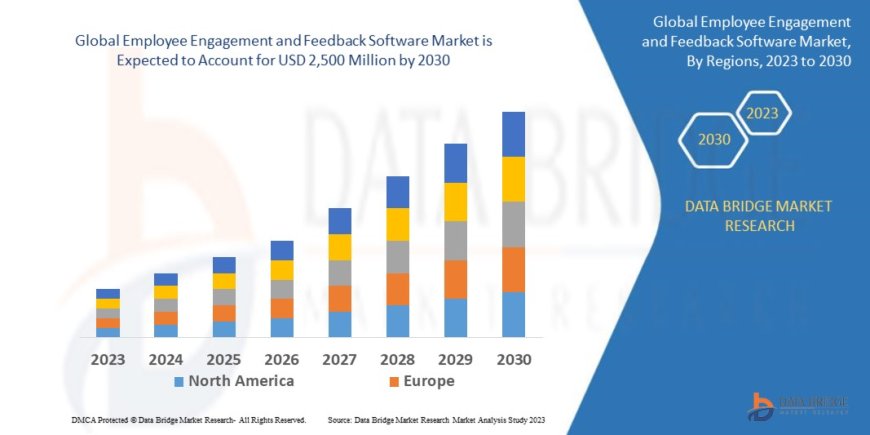
The Employee Engagement and Feedback Software market was valued at USD 1,100.00 Million in 2022 and is expected to reach USD 2,500.00 Million by 2030, growing at a CAGR of 13% (2023-2030). Get insights on trends, segmentation, and key players with Data Bridge Market Research Reports.

Introduction
The global shift towards remote work, accelerated by the COVID-19 pandemic, has redefined the modern workplace. While remote work offers numerous benefits, such as increased flexibility and reduced commuting time, it also presents significant challenges, particularly in maintaining employee engagement. Traditional methods of fostering a cohesive and motivated team need to be reimagined to suit a dispersed workforce. This is where employee engagement software becomes essential.
Definition
Software for employee engagement assists companies in gathering, tracking, and managing employee feedback. Additionally, with the help of such a system, companies may understand employee attitudes, encourage good activities, acknowledge employee accomplishments, and learn a lot from employee feedback. Employee engagement software is implemented by the company's human resources department either as an additional tool or as a replacement for established processes.
Understanding Employee Engagement
The emotional dedication an employee has to their company and its objectives is known as employee engagement, and it goes beyond simple job pleasure. Enthusiastic, productive, and driven to contribute to the company's success are characteristics of engaged employees. In a remote work setting, fostering this engagement can be challenging due to physical distance, lack of face-to-face interaction, and potential feelings of isolation.
The Challenges of Remote Work
Isolation and Loneliness: Feelings of isolation can result from a remote job. Employees lose out on the impromptu conversations and teamwork that occur in an office setting.
Communication Barriers: Without the ease of popping into a colleague's office for a quick chat, communication can become less fluid. Misunderstandings and delays can arise more frequently.
Lack of Visibility: Managers may struggle to gauge how their team members are feeling or performing without physical presence and casual check-ins.
Work-Life Balance: Remote work can blur the lines between personal and professional life, leading to burnout if not managed properly.
The Role of Employee Engagement Software
Employee engagement software provides tools and solutions to address these challenges, ensuring that remote teams remain connected, motivated, and aligned with organizational goals. Here are key reasons why such software is indispensable for remote teams:
Enhancing Communication:
A successful team relies heavily on effective communication, which becomes even more important when working remotely. Employee engagement software often includes features like instant messaging, video conferencing, and discussion forums that facilitate real-time communication and collaboration.
-
Instant Messaging and Video Calls: Tools like Slack or Microsoft Teams enable quick exchanges of information and reduce email clutter. Video calls help to maintain a personal connection, allowing for more nuanced communication through visual cues.
-
Discussion Forums and Channels: These features allow team members to collaborate on projects, share ideas, and provide feedback, fostering a sense of community and teamwork.
Building a Positive Company Culture:
Dispersed workforces make it difficult to preserve a strong corporate culture. Engagement software can help by creating virtual spaces where the companys values, mission, and achievements are highlighted and celebrated.
-
Virtual Events and Recognition Programs: Tools for organizing virtual team-building activities, celebrations, and award ceremonies help keep morale high and recognize employee contributions.
-
Cultural Alignment Tools: Features that promote the companys mission and values through content sharing and storytelling help remote employees feel more connected to the organizations ethos.
Monitoring and Supporting Employee Well-being:
Employee engagement software often includes tools for tracking employee well-being, which is crucial in a remote work environment where signs of stress or disengagement might be less visible.
-
Pulse Surveys and Feedback Mechanisms: Regular surveys and feedback tools allow employees to voice their concerns and opinions. This data can help managers address issues proactively.
-
Wellness Programs: Integration with wellness programs and resources, such as virtual fitness classes or mental health support, can help employees maintain a healthy work-life balance.
Fostering Professional Growth and Development:
Opportunities for ongoing learning and development are essential for maintaining staff motivation and engagement. Engagement software can support professional growth through various features.
-
E-Learning Platforms: Providing access to online courses and training materials helps employees enhance their skills and advance their careers.
-
Performance Management Tools: Features for setting goals, tracking progress, and providing regular feedback help employees understand their career trajectory and how their work contributes to the companys success.
Facilitating Collaboration and Innovation:
Employee collaboration and innovation are more likely to occur among engaged workers. Employee engagement software can foster a collaborative environment even when teams are not physically together.
-
Project Management Tools: Platforms like Asana or Trello help teams manage tasks and projects efficiently, ensuring everyone is aligned and productive.
-
Idea Sharing Platforms: Tools that allow employees to share ideas and innovations encourage a culture of creativity and continuous improvement.
Case Study: Impact of Employee Engagement Software
Consider the example of a mid-sized tech company that transitioned to remote work during the pandemic. Initially, the company struggled with communication breakdowns, decreased morale, and a sense of disconnect among employees. The business achieved the following results by putting in place a complete employee engagement software solution:
-
Improve Communication: With tools for instant messaging and video conferencing, team communication became more seamless, reducing misunderstandings and fostering better collaboration.
-
Enhance Culture and Recognition: Virtual events and recognition programs helped maintain a strong company culture, ensuring employees felt valued and appreciated.
-
Monitor Well-being: Regular pulse surveys allowed the company to gauge employee sentiment and address issues such as burnout promptly.
-
Support Professional Development: Access to e-learning platforms and performance management tools helped employees stay motivated and aligned with their career goals.
As a result, the company saw a significant improvement in employee satisfaction, productivity, and overall engagement.
Expansion Rate of Employee Engagement and Feedback Software
Data Bridge Market Research projects that the global employee engagement and feedback software market, which was valued at USD 1,100 million in 2022, will grow at a compound annual growth rate (CAGR) of 13% to reach USD 2,500 million by 2030.
Conclusion
In the era of remote work, employee engagement software is not just a nice-to-have but a necessity. It addresses the unique challenges of remote work by enhancing communication, building a positive company culture, monitoring well-being, fostering professional growth, and facilitating collaboration and innovation. By investing in the right tools, organizations can ensure that their remote teams remain engaged, motivated, and productive, ultimately driving success in a rapidly evolving work landscape.