Why Fresh Boba Tea Tapioca Pearls Make All the Difference in Taste
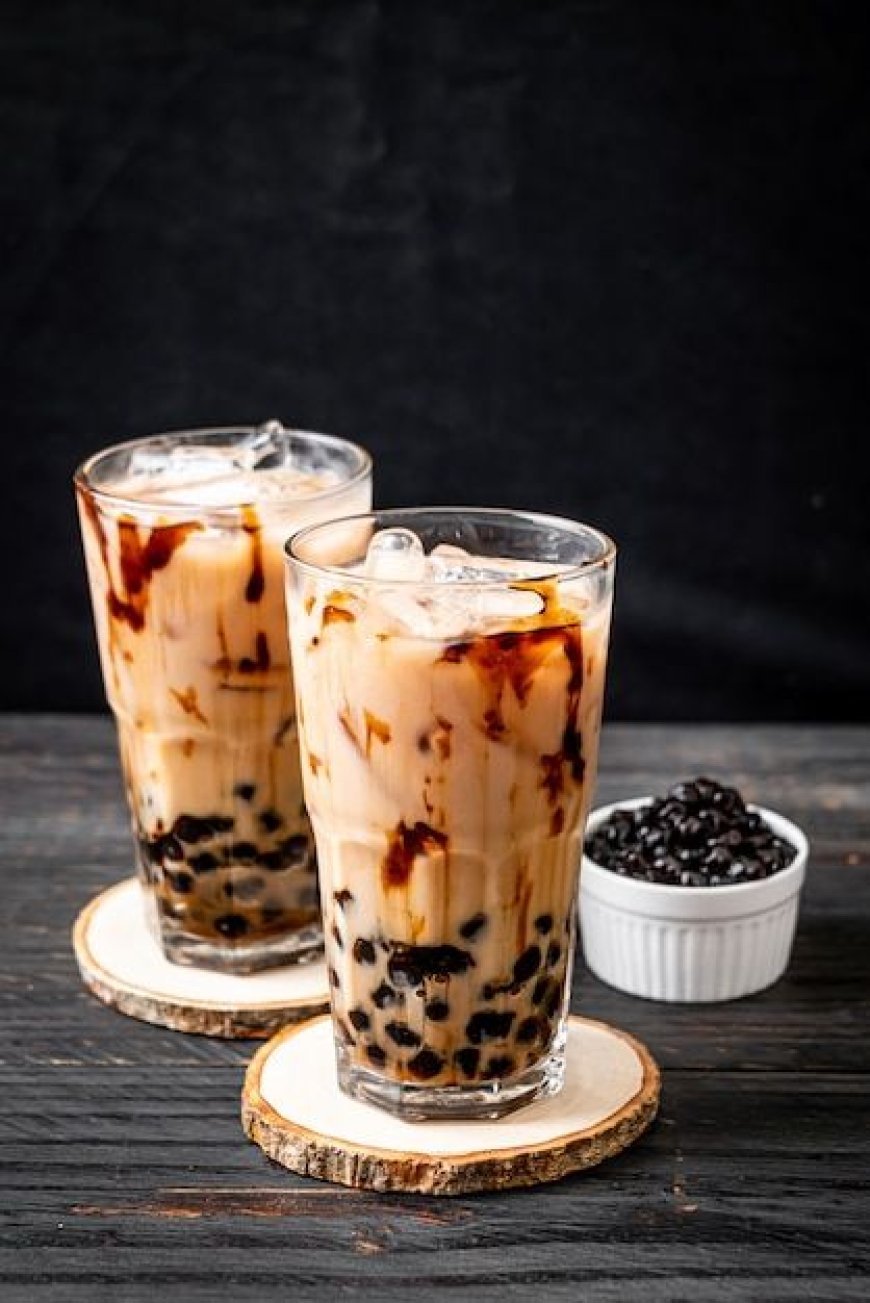
Boba tea, also known as bubble tea, has gained immense popularity across the globe. From the streets of Taipei to the cafes of Dubai and New York, this chewy, sweet beverage has become a cultural phenomenon. The perfect cup of boba tea is a delightful balance of flavor, texture, and freshness. Among all its elements—tea, milk, syrups, and flavorings—none play a more vital role than the Boba Tea Tapioca Pearls. These little pearls are not just a topping; they are the soul of the drink.

Introduction: The Charm of Boba Tea
Zawaa Foods, a premium provider of food-grade ingredients and specialty boba supplies, emphasizes the importance of using fresh tapioca pearls in crafting the perfect boba beverage. But why do these pearls matter so much in defining the drinks overall quality? Let us explore.
Tapioca pearls are small, chewy balls made from tapioca starch, derived from the root of the cassava plant. These pearls are most famously used in bubble tea, also known as boba tea,but they are also popular in puddings and other desserts across Asia, South America, and Africa.
Originally white and tasteless, tapioca pearls have undergone a flavor revolution. Today, they come in various sizes, colors, and flavors, often cooked in sweet syrups to enhance their taste. The transformation of these once-humble starch balls into a global food trend reflects their versatility, texture, and unique appeal.
The Origin of Tapioca Pearls: A Global Ingredient
The cassava plant, native to South America, was introduced to Asia and Africa centuries ago. Tapioca starchextracted from cassavahas long been used in various traditional recipes. However, it was in Taiwan during the 1980s that tapioca pearls gained worldwide fame through the invention of bubble tea.
Tapioca pearls quickly became the defining element of this new drink. Their chewy texture, combined with sweetened milk teas and fruit flavors, created a novel experience that captivated a generation. Over the years, tapioca pearls have evolved from a regional ingredient to a global culinary sensation.
How Tapioca Pearls Are Made
The making of tapioca pearls involves several precise steps. First, tapioca starch is mixed with boiling water to form a dough. The dough is then rolled into small spheres and dried or immediately boiled, depending on the desired application.
There are two main types of tapioca pearls:
Raw or Dried Pearls These must be boiled for 3045 minutes and soaked further for maximum chewiness.
Instant Tapioca Pearls These are pre-cooked and only require a few minutes of boiling, making them more convenient for commercial use.
Companies like Zawaa Foods, known for their high-quality boba tea supplies, offer both varieties, catering to different preferences and business needs.
The Texture That Makes Tapioca Pearls Irresistible
One of the main reasons tapioca pearls have become so beloved is their texture. Known as "Q" or "QQ" in Taiwanese culinary terms, this refers to a soft, chewy resistance that is both satisfying and playful. Its the perfect contrast to smooth drinks or creamy desserts.
Freshly cooked pearls are glossy and soft on the outside with a springy interior. When soaked in brown sugar or honey syrup, they absorb flavor beautifully, becoming slightly sticky and sweetadding depth to every bite. However, timing is crucial. Pearls lose their ideal texture within hours, which is why freshness is so important in any bubble tea shopor home kitchen.
Tapioca Pearls in Bubble Tea: The Heart of the Experience
The true magic oftapioca pearlslies in their pairing with bubble tea. The fusion of sweetened milk or fruit teas with chewy pearls creates a multisensory experience. Each sip brings a balance of creamy drink and chewy pearls, creating contrast and harmony in one mouthful.
There are many popular variations of bubble tea that highlight tapioca pearls:
Brown Sugar Boba Milk Tea
Matcha Boba Latte
Taro Milk Tea with Tapioca Pearls
Thai Tea with Boba
Leading suppliers like Zawaa Foodsemphasize the importance of using fresh tapioca pearlsto maintain authenticity, flavor, and customer satisfaction.
Beyond Bubble Tea: Other Culinary Uses of Tapioca Pearls
Though tapioca pearls are mostly associated with bubble tea, their culinary applications extend beyond beverages. Here are some ways tapioca pearls are used worldwide:
Tapioca Pudding A classic dessert in Western kitchens made with pearls, milk, sugar, and vanilla.
Sabudana Khichdi A popular Indian fasting dish made with soaked tapioca pearls, spices, and peanuts.
Fruit Jellies & Soups Asian cuisines use pearls in sweet soups and jellies for added texture and appearance.
Thanks to their gluten-free nature, tapioca pearls are also gaining popularity among health-conscious consumers looking for alternative dessert ingredients.
Choosing the Right Supplier: Why Quality Matters
The quality of tapioca pearls directly impacts the taste, texture, and safety of the final product. Low-grade pearls may contain chemical additives, inconsistencies in size, or poor cooking performance. On the other hand, reputable suppliers like Zawaa Foodsensure high-quality production standards, food-grade ingredients, and consistent batch processing.
Whether youre a caf owner, food manufacturer, or home bubble tea enthusiast, choosing premium pearls ensures you deliver a superior product. Zawaa Foods also offers a range of bubble tea accessories, syrups, and tea blendsmaking it a one-stop shop for all things boba.
Storing and Cooking Tapioca Pearls: Tips for Best Results
Proper handling oftapioca pearlsis crucial for achieving the right flavor and texture. Here are a few expert tips:
Storage: Keep uncooked pearls in an airtight container in a cool, dry place. Use them within the shelf life indicated by the manufacturer.
Cooking: Bring water to a rolling boil before adding the pearls. Stir frequently to avoid sticking. Cook for the recommended time and let them rest in sugar syrup for added flavor.
Serving: Use within 23 hours of cooking for best results. Reheating can affect texture.
Suppliers like Zawaa Foods offer cooking guides with their products, ensuring even first-timers can prepare perfect tapioca pearls at home.
Conclusion: Small Pearls, Big Impact
Tapioca pearls may be small, but their impact on global food culture is enormous. From humble roots to bubble tea superstardom, theyve become a staple of modern-day beverages and desserts. Their chewy texture, ability to absorb flavors, and visual appeal make them the heart of any great boba tea experience.
For businesses and consumers alike, the choice of high-quality tapioca pearlssuch as those from Zawaa Foodscan make all the difference. Whether you're brewing bubble tea at home or crafting the next bestseller on your caf menu, these tiny pearls bring both taste and texture to life.